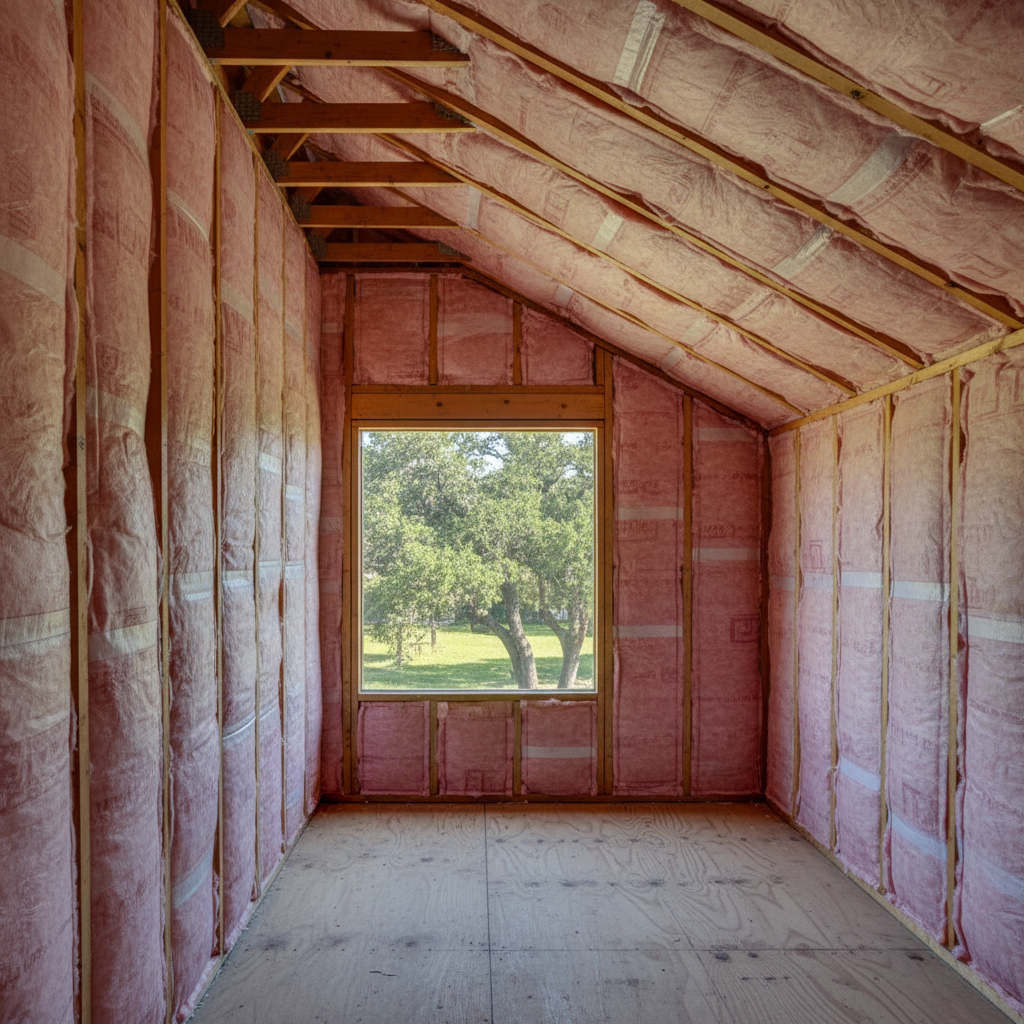
Walking into your living room in August and wondering why the AC is running non-stop yet the room still feels like an oven happens often in San Antonio, TX. Dealing with brutal South Texas heat means your Insulation has to pull its weight. When homeowners decide to go with traditional Batt Insulation, they usually want a straightforward, cost-effective way to keep their house comfortable. San Antonio Spray Foam Insulation sees the same installation mistakes over and over again across neighborhoods like Alamo Heights and Stone Oak, and those mistakes completely ruin the R-value.
Planning a Batt Insulation project means you need to know what can go wrong before the crew starts rolling out the fiberglass. Cutting corners on this material does not just waste money; it leads to moisture issues when that heavy San Antonio humidity meets our attic spaces.
Choosing the Wrong R-Value for Our Climate
The Department of Energy has different recommendations for different parts of the country, and what works in Ohio will not cut it down here in Bexar County. A lot of homeowners try to save a few bucks upfront by buying thin batts with a low R-value. In our climate, your attic floor really needs an R-38 or higher to keep that solar heat gain from baking your drywall. If your contractor suggests throwing down thin R-19 batts and calling it a day, show them the door.
Compressed Batts and Poor Fitting
Fiberglass batts work by trapping air pockets within the glass fibers. That trapped air is what actually stops the heat transfer. So what happens when a lazy installer crams an oversized batt into a too-small cavity or squishes it down behind a maze of ductwork? You lose the loft. Compressed Insulation has a drastically lower R-value than uncompressed insulation. Every single gap, void, and compression point lets heat bleed right into your living space.
San Antonio Spray Foam Insulation also sees batts just loosely draped over ceiling joists without cutting around electrical boxes or blocking off weird framing corners. A sloppy fit is basically no Insulation at all in those spots.
Ignoring Air Sealing First
Ignoring air sealing is probably the biggest blunder of the bunch. Throwing fresh batts over an unsealed attic floor is like wearing a knitted sweater in a hurricane and expecting to stay warm. Air leaks around recessed can lights, top plates, and plumbing chases will pump hot, humid attic air straight into your home no matter how thick your fiberglass is.
Before any Insulation goes up, you have to seal those gaps with spray foam or caulk. San Antonio Spray Foam Insulation always stresses that air sealing does the heavy lifting, while Batt Insulation acts as the blanket. You need both to make a real dent in your monthly electric bill.
Hiring Out-of-Town Storm Chasers
After a rough hail storm or a particularly brutal summer, out-of-town contractors flood the San Antonio market. They rent a truck, print some quick flyers, and promise dirt-cheap installation rates. Half the time, they do not understand local building codes, proper attic ventilation, or how our caliche soil and humid climate interact with building envelopes. If something goes wrong three months down the road, good luck getting them to answer your phone call.
For homes and businesses in San Antonio, San Antonio Spray Foam Insulation provides Batt Insulation services. Take your time, ask questions about their prep work, and make sure they are not rushing the details. Doing the Batt Insulation work right the first time keeps your house cool and keeps your cash in your pocket.